Air Quality Singapore
PSI, PM2.5 and the bands that change a school sports day
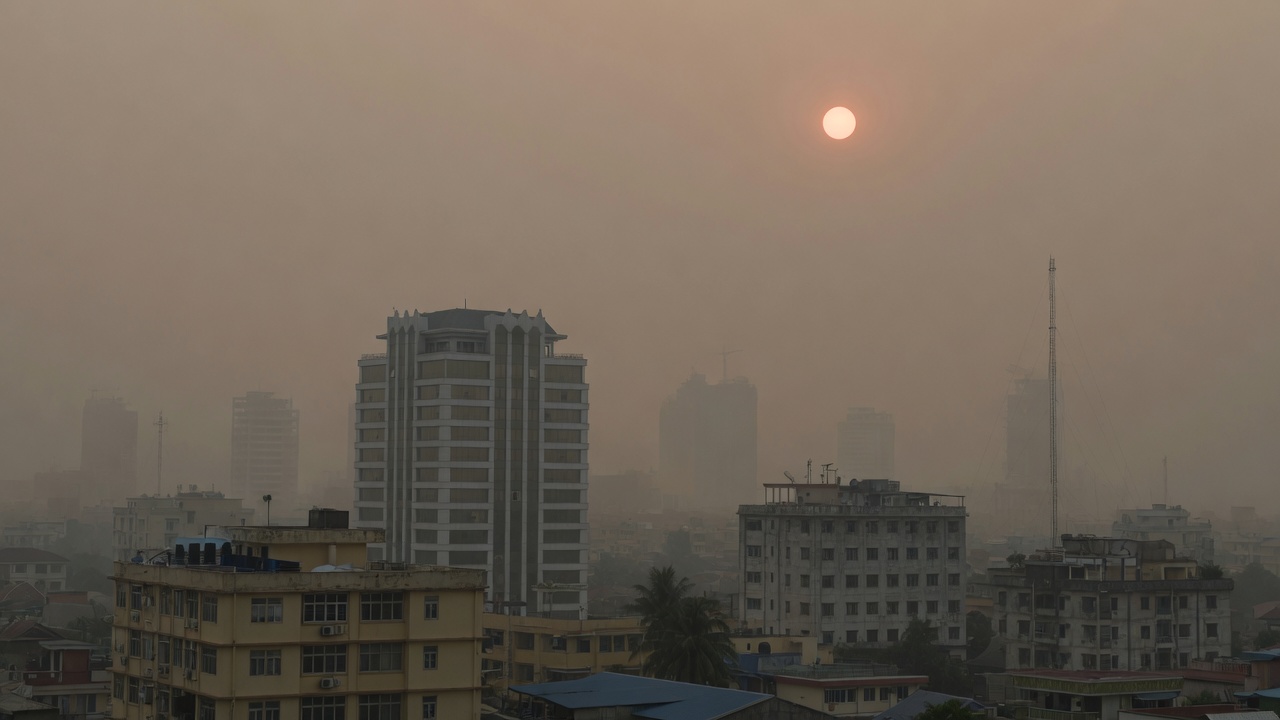
Live air quality readings are published by the National Environment Agency (NEA) on the official haze microsite. We surface the latest bands here and explain what each reading means. For real-time regional PSI and PM2.5 numbers, follow the link above.
1-Hour PM2.5 Bands
0–55
Band 1 — Normal
µg/m³ (1-hr PM2.5)
56–150
Band 2 — Elevated
µg/m³ (1-hr PM2.5)
151–250
Band 3 — High
µg/m³ (1-hr PM2.5)
≥251
Band 4 — Very High
µg/m³ (1-hr PM2.5)
24-Hour PSI Bands
| PSI Range | Air Quality Descriptor | Health Advisory |
|---|---|---|
| 0–50 | Good | Normal activities can be carried out. |
| 51–100 | Moderate | Normal activities can be carried out. |
| 101–200 | Unhealthy | Reduce prolonged or strenuous outdoor physical exertion. |
| 201–300 | Very Unhealthy | Avoid prolonged or strenuous outdoor physical exertion. |
| 301+ (Above 300) | Hazardous | Minimise outdoor activity. Wear N95 masks if you must go out. |
PSI vs. AQI — what is the difference?
Singapore PSI
The Pollutant Standards Index is Singapore’s official air quality index, used by NEA for health advisories. It is calculated from six pollutants (PM2.5, PM10, SO₂, O₃, CO, NO₂), reported as a 24-hour average, and split into 5 bands (Good → Hazardous).
Reported by region: North, South, East, West, Central.
US EPA AQI
The Air Quality Index used by the World Air Quality project (aqicn.org) and most international apps. It is calculated from PM2.5, PM10, O₃, CO, SO₂ and NO₂ over shorter averaging windows, and split into 6 bands — the key difference is a separate Unhealthy for Sensitive Groups band (101–150) that PSI does not have.
AQI values often run higher than PSI for the same air.
| AQI Range | Level | Health Implication |
|---|---|---|
| 0–50 | Good | Little or no risk. |
| 51–100 | Moderate | Acceptable; unusually sensitive people should consider limiting prolonged outdoor exertion. |
| 101–150 | Unhealthy for Sensitive Groups | Sensitive groups (asthma, heart/lung disease) may experience effects. |
| 151–200 | Unhealthy | Everyone may begin to feel effects; sensitive groups more serious. |
| 201–300 | Very Unhealthy | Health alert: the entire population is more likely to be affected. |
| 301+ | Hazardous | Health warning of emergency conditions: everyone should avoid outdoor exertion. |
Pollutant Sub-Indices
PM2.5
Fine particulate matter (≤2.5µm)
Basis: 24-hr average PM2.5 reading
Most harmful pollutant during haze; penetrates deep into lungs.
PM10
Coarse particulate matter (≤10µm)
Basis: 24-hr average PM10 reading
Larger particles from dust, smoke and vehicle emissions.
SO₂
Sulphur dioxide
Basis: 24-hr average SO₂ reading
From industrial processes and volcanic emissions.
O₃
Ozone
Basis: 8-hr average O₃ reading
Formed by reaction of sunlight with nitrogen oxides and VOCs.
CO
Carbon monoxide
Basis: 8-hr average CO reading
From incomplete combustion of fuels; reduces oxygen in blood.
NO₂
Nitrogen dioxide
Basis: 1-hr average NO₂ reading
From vehicle exhaust and power plants; only reported when ≥1130µg/m³.
Health Advisory by PSI Range
Good / Moderate (PSI 0–100)
- Normal activities can be carried out
- No special precautions needed
Unhealthy (PSI 101–200)
- Reduce prolonged or strenuous outdoor exertion
- Elderly, pregnant women and children should minimise outdoor activity
- People with heart or lung disease should avoid outdoor activity
Very Unhealthy (PSI 201–300)
- Avoid prolonged or strenuous outdoor physical exertion
- Wear N95 masks when going outdoors
- Close doors and windows; use air purifiers indoors
Hazardous (PSI > 300)
- Minimise all outdoor activity
- Wear N95 masks if outdoors is unavoidable
- Seek medical attention if you feel unwell
Related Information
PSI, PM2.5 and AQI are not the same number
PSI is a composite. Six pollutants go in (PM2.5, PM10, SO2, O3, CO, NO2). The highest sub-index comes out. 1-hour PM2.5 is a single pollutant, in µg/m³, updated hourly. That is the first number that moves in a haze episode. Schools and agencies quote PSI. International apps often quote AQI, which has an extra "unhealthy for sensitive groups" band and a different averaging window, so it often reads higher.
Day-to-day air here is usually fine. The bad days are transboundary haze in the southwest monsoon, not local smog. When PSI is above 100, cut outdoor sport. N95 if you must go out in the Unhealthy band or worse. The PSI guide is the longer version.