8 min read
PSI, PM2.5 and AQI in Singapore, explained
Singapore's headline air number is the 24-hour PSI. The 1-hour PM2.5 reading tells you what the air is doing right now. They answer different questions.
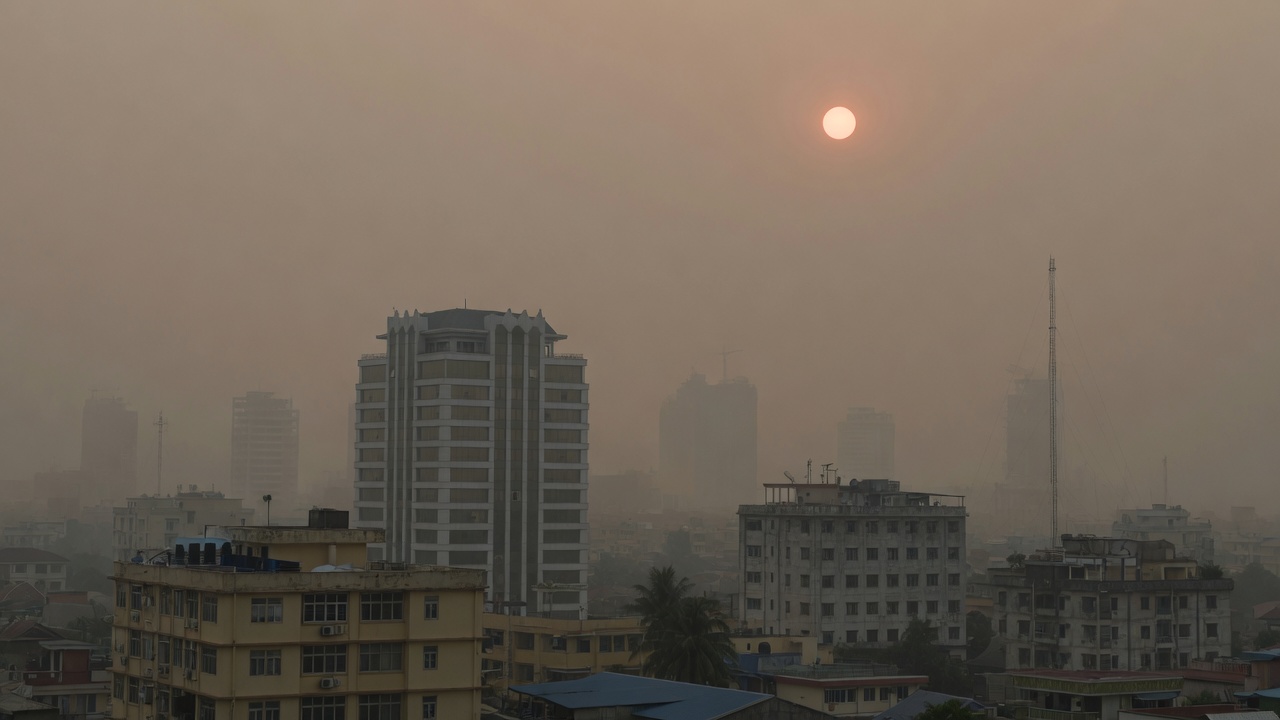
The two numbers people mix up
The Pollutant Standards Index (PSI) is Singapore's official daily air-quality index. It is computed from a 24-hour moving average of several pollutants and then banded into Good, Moderate, Unhealthy, Very Unhealthy or Hazardous.
The 1-hour PM2.5 reading is a snapshot of fine particles right now. On a haze day it can jump hours before the 24-hour PSI catches up. Use PM2.5 for "should I run now?" and PSI for "how has the day been, and what is the health advisory?"
24-hour PSI bands
- 0-50 Good: normal outdoor activity.
- 51-100 Moderate: normal activity for most people. Sensitive groups can reduce prolonged outdoor exertion if they feel unwell.
- 101-200 Unhealthy: reduce prolonged or strenuous outdoor activity. Children, elderly and people with heart or lung disease should minimise outdoor exertion.
- 201-300 Very Unhealthy: avoid prolonged outdoor activity. Sensitive groups should stay indoors.
- Above 300 Hazardous: minimise outdoor activity. Schools have historically closed or moved indoors at these levels.
The worst modern haze day on record is 21 June 2013, when the 24-hour PSI reached 401. September-October 2015 also crossed into the Hazardous band during a strong El Niño dry season.
What is inside the PSI
PSI is the highest of several sub-indices: PM2.5, PM10, sulphur dioxide, ozone, carbon monoxide and nitrogen dioxide. On almost every haze day in Singapore, PM2.5 is the pollutant that sets the index. Traffic and ozone can matter on otherwise clear, sunny afternoons.
PSI vs AQI
AQI usually refers to a different national scale (often US EPA). The numbers are not interchangeable. A US AQI of 150 is not the same statement as a Singapore PSI of 150, even though both sit in an "unhealthy" style band. When you read a third-party app, check whether it is showing NEA's PSI or a converted AQI.
What to do at each level
- Good or Moderate: live normally. Sensitive people can still watch the 1-hour PM2.5 if they are exercising hard outdoors.
- Unhealthy: shorten outdoor workouts. N95 or equivalent filtration helps if you must commute in open air for long periods.
- Very Unhealthy or Hazardous: move PE and events indoors. Close windows if you have filtered air-conditioning. Follow MOH and NEA advisories rather than social media rumours.
Questions
Why is PSI still Moderate when the sky looks hazy?
The 24-hour PSI lags. Check the 1-hour PM2.5 by region. Light haze can also be mist, which is water droplets, not smoke.
Which region should I look at?
North, South, East, West and Central can differ by tens of PSI points. Use the region you actually spend the day in.
Do surgical masks help in haze?
They block large droplets, not most PM2.5. A well-fitted N95 or equivalent is the useful filter for smoke particles.
Independent guide based on publicly described NEA and Meteorological Service Singapore products. Not affiliated with NEA.