6 min read
Haze in Singapore: what actually helps
Haze is a wind-and-fire problem, not a local one. Watch PSI and 1-hour PM2.5, not just the colour of the sky.
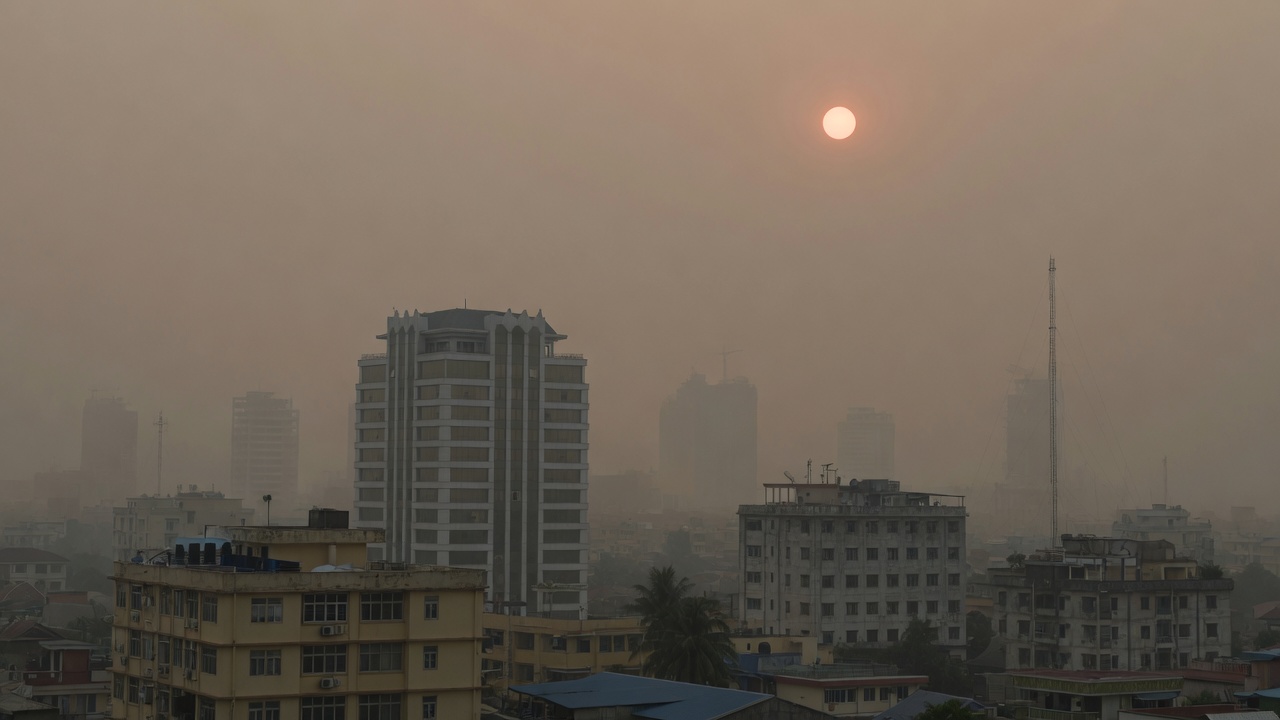
Where it comes from
Almost every serious haze episode here is smoke from land and peat fires in Sumatra or Kalimantan, blown over by southwest or southerly winds. The ASEAN Specialised Meteorological Centre (ASMC) publishes hotspot maps and a regional haze outlook. Local traffic adds a background, but it does not produce a 200 PSI day.
Useful actions
- Track 1-hour PM2.5 for today, 24-hour PSI for the health advisory.
- Move PE and long runs indoors when PSI is Unhealthy or worse.
- A fitted N95 (or equivalent) helps outdoors. A surgical mask does little for PM2.5.
- If you have a room air-con with a decent filter, close windows. A wet towel on a window is not a filter.
Not useful
- Blaming yesterday's local farmer or a neighbour's incense for a regional plume.
- Buying every gadget labelled "haze". Check CADR and actual particle filtration.
- Assuming rain will "wash it all away" if fires and winds continue. Rain helps locally for a few hours. It does not put out Borneo.
Questions
When is haze season?
Typically June to October, during the Southwest Monsoon and the late dry season over Indonesia. Some years barely register.
Why are there hotspots but the air is fine?
Wind direction. Fires east or south of us with a northeasterly wind send smoke somewhere else.
Independent guide based on publicly described NEA and Meteorological Service Singapore products. Not affiliated with NEA.